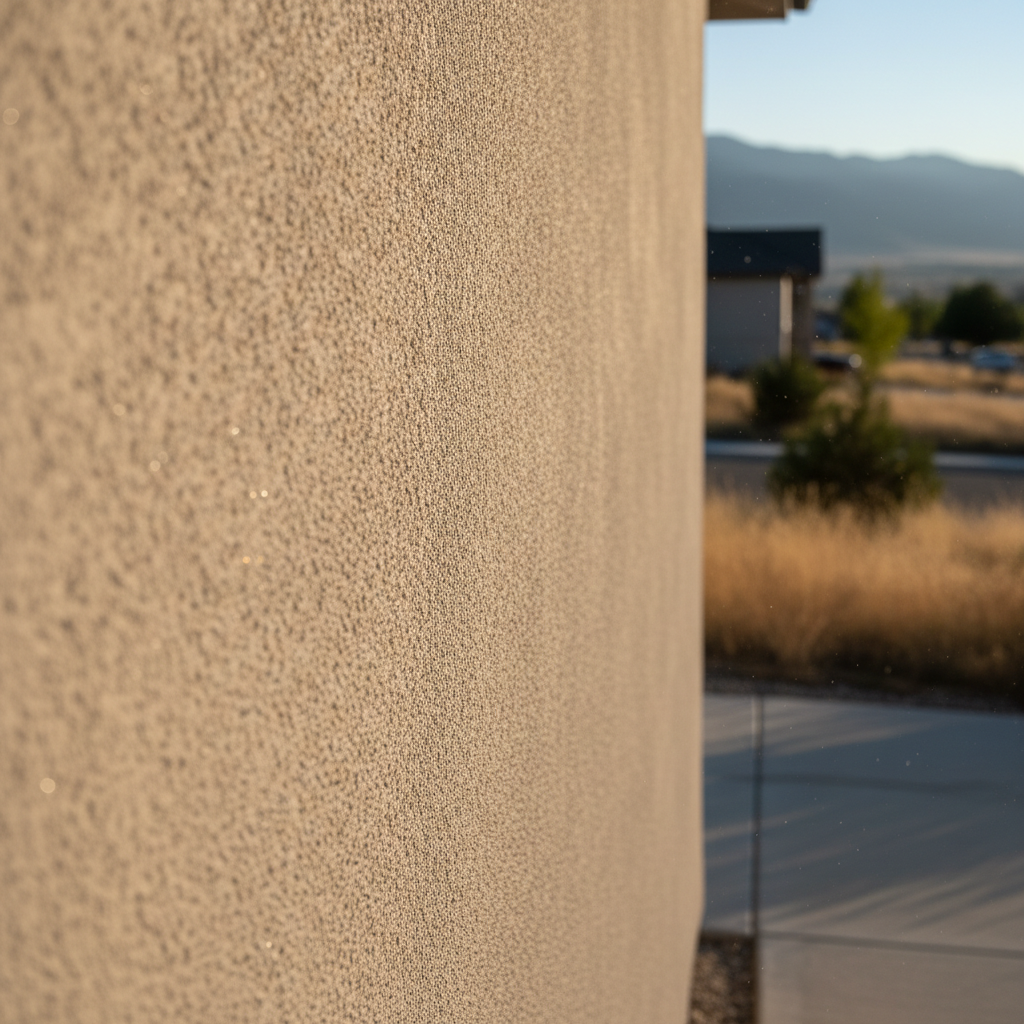
Is stucco removal really necessary, or can I just repair it?
That's a question I get a lot, and honestly, it depends on what's going on with your stucco. If you've got a few cracks here and there, or maybe a small section that's delaminating, repairing it can definitely be an option. We do a lot of stucco repair work at Sunrise Stucco Inc, and sometimes that's all a home needs to look great again and stay protected. However, if you're seeing widespread cracking, bulging, or large sections falling off, especially if it's been happening for a while, that usually points to bigger issues. Things like water intrusion behind the stucco, which can lead to rot in your sheathing or framing, or a complete failure of the lath system. In those cases, just patching it up is like putting a band-aid on a broken leg; it won't solve the underlying problem. You'll keep having issues, and it'll cost you more in the long run. If the damage is extensive, or if you're just tired of the look and want a completely different exterior, then removal is the smarter, more permanent solution.
What's the typical process for removing stucco?
It's not just about grabbing a hammer and chisel, though those certainly come into play! The process usually starts with protecting your property. We'll lay down tarps around the foundation, cover windows, and make sure landscaping is shielded from debris. Then, depending on the type of stucco and how it was applied, we'll start carefully breaking it away. For traditional stucco, that often means using demo hammers and pry bars to get under the layers. We're not just ripping it off willy-nilly; we're trying to minimize damage to the underlying sheathing. As we remove the stucco, we're also taking off the lath, which is the metal mesh or wire that holds the stucco in place. Once all the stucco and lath are gone, we'll do a thorough cleanup, making sure all the old material is hauled away. Then, it's about assessing the substrate and getting it ready for whatever new siding you've chosen.
How long does stucco removal usually take?
That's a tough one to give a precise number without seeing the house, but I can give you a general idea. For an average-sized Millcreek home, say around 2,000 to 3,000 square feet of exterior wall, removing the stucco alone usually takes anywhere from a few days to a week. That's just the removal and cleanup part. What really impacts the timeline is the size and complexity of the house, how many layers of stucco there are (sometimes we find old stucco under newer stucco!), and how well it's adhered. If there's a lot of intricate architectural details, like arches or decorative elements, that can add time because we have to be extra careful. Weather can also play a role; nobody wants to be demoing in a snowstorm. Keep in mind, this doesn't include the time it takes to install the new siding, which is a whole separate project.
What kind of mess should I expect during the removal?
Let's be honest: it's a messy job. Stucco is basically cement, sand, and lime, and when you break it up, it creates a lot of dust and debris. We do everything we can to contain it, like I mentioned with the tarps and coverings. We'll also have large dumpsters on-site to collect all the removed material. You'll see piles of stucco pieces, dust, and old lath. It's a construction site, plain and simple. We try to keep the work area as tidy as possible at the end of each day, but during working hours, expect some controlled chaos. If you have pets, it's a good idea to keep them inside or away from the immediate work zone. And yes, your neighbors will probably notice. We always make sure to communicate with you about the expected mess and how we plan to manage it.
What happens to my house after the stucco is removed? Is it exposed?
Yes, for a period, your house will be exposed down to its sheathing. That's usually plywood or OSB board. This is actually a critical stage because it allows us to inspect the integrity of your home's structure. We're looking for any signs of water damage, rot, mold, or pest infestations that might have been hidden by the stucco. It's not uncommon, especially in older homes around places like Canyon Rim, to find some areas that need repair once the old exterior is off. Once any necessary repairs are made, we'll install a new weather-resistant barrier (WRB) or house wrap. This is a crucial step to protect your home from moisture and air infiltration before the new siding goes on. So, while it's exposed for a bit, it's a planned and necessary part of the process to ensure your home is sound and ready for its new exterior.
Can I remove the stucco myself to save money?
You can, technically, but I wouldn't recommend it for most homeowners. Stucco removal is incredibly labor-intensive, physically demanding, and can be dangerous if you don't know what you're doing. You're dealing with heavy materials, sharp metal lath, and potentially working at heights. Plus, there's a real risk of damaging the underlying structure of your home if you're not careful, which can end up costing you more in repairs than you saved on labor. Then there's the proper disposal of all that material; it's not something you can just put in your regular trash bin. Most people underestimate the sheer volume and weight of the debris. Hiring professionals means we have the right tools, the experience to do it efficiently and safely, and we handle all the cleanup and disposal. It's a big job, and it's usually best left to the pros.
What are my options for new siding after stucco removal?
Once the stucco's off and the sheathing is prepped, you've got a lot of choices, which is one of the big advantages of removing old stucco. Many people go with fiber cement siding, like James Hardie, because it's durable, low maintenance, and comes in a huge range of colors and styles. Vinyl siding is another popular, more budget-friendly option that's also very low maintenance. Some homeowners opt for traditional wood siding, like cedar or redwood, for a classic look, though that requires more upkeep. Brick or stone veneer can also be installed for a completely different aesthetic. We've even done projects where people wanted to put new, updated stucco back on, but with a modern drainage system to prevent future water issues. It really comes down to your budget, the look you're going for, and the level of maintenance you're comfortable with. We can walk you through all the options and help you figure out what makes the most sense for your Millcreek home.