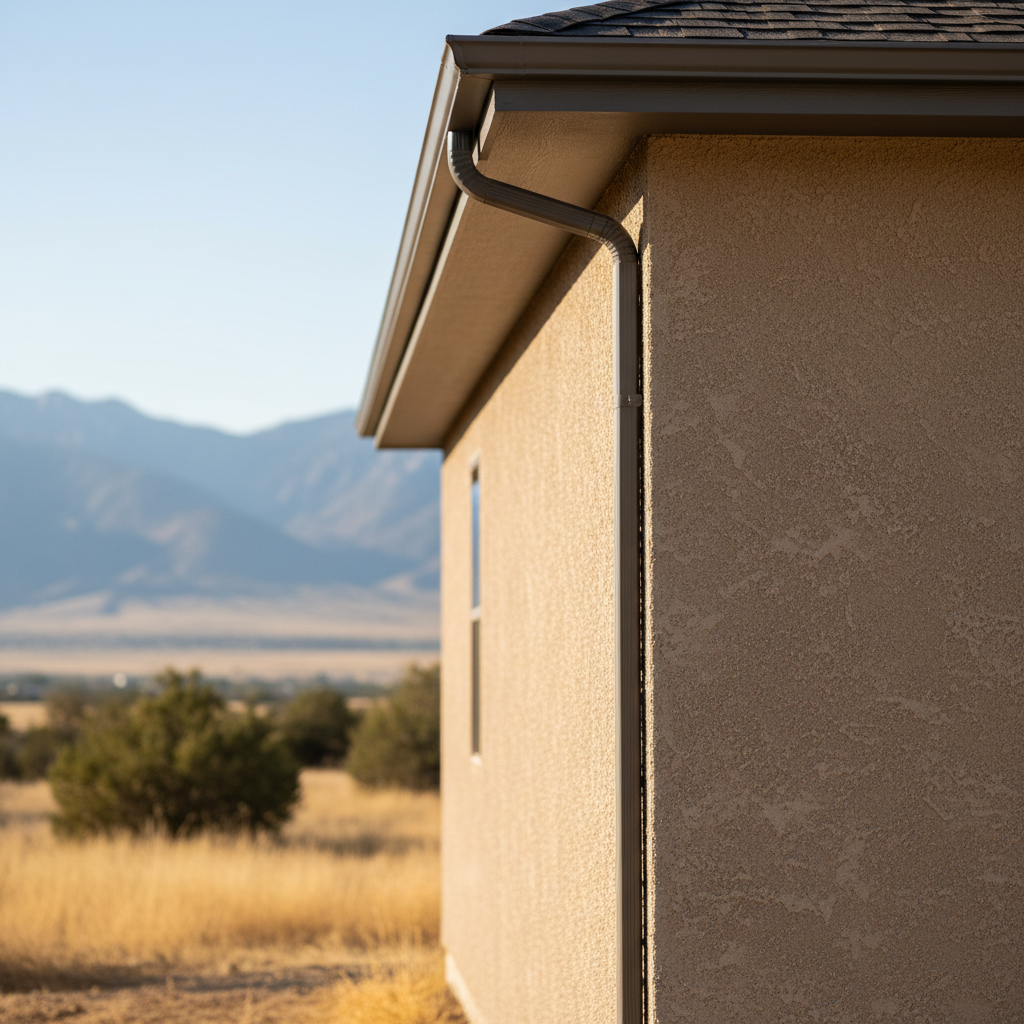
You've got stucco on your home, right? Most folks don't really think about it much until they spot a crack or a stain. But honestly, regular stucco inspection? That's probably one of the smartest things you can do to dodge those big, expensive headaches later on. I've seen it countless times here in Millcreek – a tiny problem that gets ignored just balloons into a huge repair because nobody caught it early enough.
Before You Start Your Stucco Inspection
Okay, first things first: you're not trying to become a stucco guru overnight. Your main goal here is to be an informed homeowner, someone who can spot potential issues and know when it's time to call in the pros. Think of it like checking your car's oil; you don't need to be a mechanic to tell if it's low, do you?
- Grab your gear: You won't need much, really. A good pair of binoculars can help you check those higher spots, a flashlight for dark corners, maybe a small, blunt tool (like a plastic handle or a rubber mallet – definitely NOT a hammer) for a gentle tap, and a notepad or your phone to snap pictures and jot down notes.
- Get the basics down: Stucco is tough, sure, but it's not indestructible. Its main job is to shield your home from the weather, especially water. And the biggest enemy of stucco, and the structure underneath it, is moisture getting in.
- Pick the right day: A dry, bright day is your best bet. You want to see clearly, and you certainly don't want to be looking for water damage while it's pouring down rain.
What You Can Inspect Yourself (The Homeowner's Checklist)
When you're doing your own walk-around, you're mostly looking for visual clues. Take your time, walk all the way around your house. Don't rush it.
1. Look for Cracks
Cracks are probably the most common thing people notice. But not all cracks are the same. Hairline cracks, especially near windows or doors, are often just cosmetic. They pop up as the house settles or materials expand and shrink with our wild Utah temperature swings. But if you see:
- Cracks wider than a credit card: These are usually a bigger deal.
- Cracks that run horizontally or diagonally for several feet: This could signal structural movement or a more serious problem.
- Cracks that are visibly stained: Dark streaks often mean water's getting in and running down inside the wall, dragging dirt with it.
- Cracks that look like a spiderweb (we call this map cracking): This can point to an improper mix or application, or long-term moisture problems.
2. Check for Stains and Discoloration
Beyond those dark streaks from cracks, keep an eye out for any unusual staining. Green or black stains often mean algae or mold is growing, which loves persistent moisture. Rust-colored stains might mean metal flashing or fasteners are corroding behind the stucco. White, chalky stains (that's efflorescence) tell you water is moving through the stucco and leaving salts on the surface.
3. Inspect Around Openings and Penetrations
This is where water just loves to sneak in. Pay close attention to:
- Windows and doors: Are the sealants (caulking) around the frames still good? Any gaps or cracks there?
- Utility penetrations: Think dryer vents, hose bibs, electrical conduits, gas lines. Make sure they're properly sealed where they meet the stucco.
- Rooflines and eaves: Look for any signs of water running down the stucco from the roof. Gutters should be clean and sending water away from the walls, obviously.
- Decks and patios: Is there enough space between the stucco and the deck surface? Water can wick right up from decks into the stucco if they're too close.
4. Look at the Foundation and Grade
The very bottom edge of your stucco, where it meets the foundation, is super important. There should be a gap, usually an inch or two, between the bottom of the stucco and the soil or sidewalk. This is called the 'weep screed' or 'casing bead,' and it's designed to let any water that gets behind the stucco drain out. If soil or landscaping is piled up against your stucco, that's a problem. It's a direct path for moisture right into your wall system.
5. The Tap Test (Be Careful!)
Gently tap the stucco with a plastic handle or rubber mallet. You're listening for a change in sound. A solid, firm tap should give you a consistent, dense sound. If you hear a hollow sound, like tapping on a drum, or if the stucco feels soft or spongy, that's a big red flag. It often means the stucco has separated from the wall underneath or there's moisture damage back there. Be gentle, though; you're not trying to break anything.
When to Call a Professional (Sunrise Stucco Inc.)
Alright, you've done your inspection, you've got your notes and photos. So, what now? If you see any of the following, it's definitely time to call in a pro:
- Large, widespread, or stained cracks: Especially if they're wider than a credit card or you spot multiple long ones.
- Hollow sounds or soft spots: This is a strong sign of damage underneath.
- Persistent staining, especially black or green mold: This points to ongoing moisture problems.
- Stucco crumbling or flaking off: That's a clear sign of significant damage.
- Repeated water intrusion: If you've had interior leaks that you suspect are linked to your stucco.
- If you just feel uncertain: Sometimes, you simply need another experienced pair of eyes. It's always better to be safe than sorry, especially when your home's integrity is on the line.
A professional stucco inspection goes way deeper than what you can do. We use special tools, like moisture meters, to find hidden water behind the stucco without causing any damage. We know what to look for that might not be obvious to the untrained eye, particularly in older homes or those in areas like Olympus Cove where specific building methods might have been used.
Don't wait until you've got a massive problem on your hands. A small repair now is always, always cheaper than a full-blown remediation later. Keep an eye on your stucco, and if something doesn't look quite right, just give us a call at Sunrise Stucco Inc. We're here to help keep your Millcreek home in great shape.