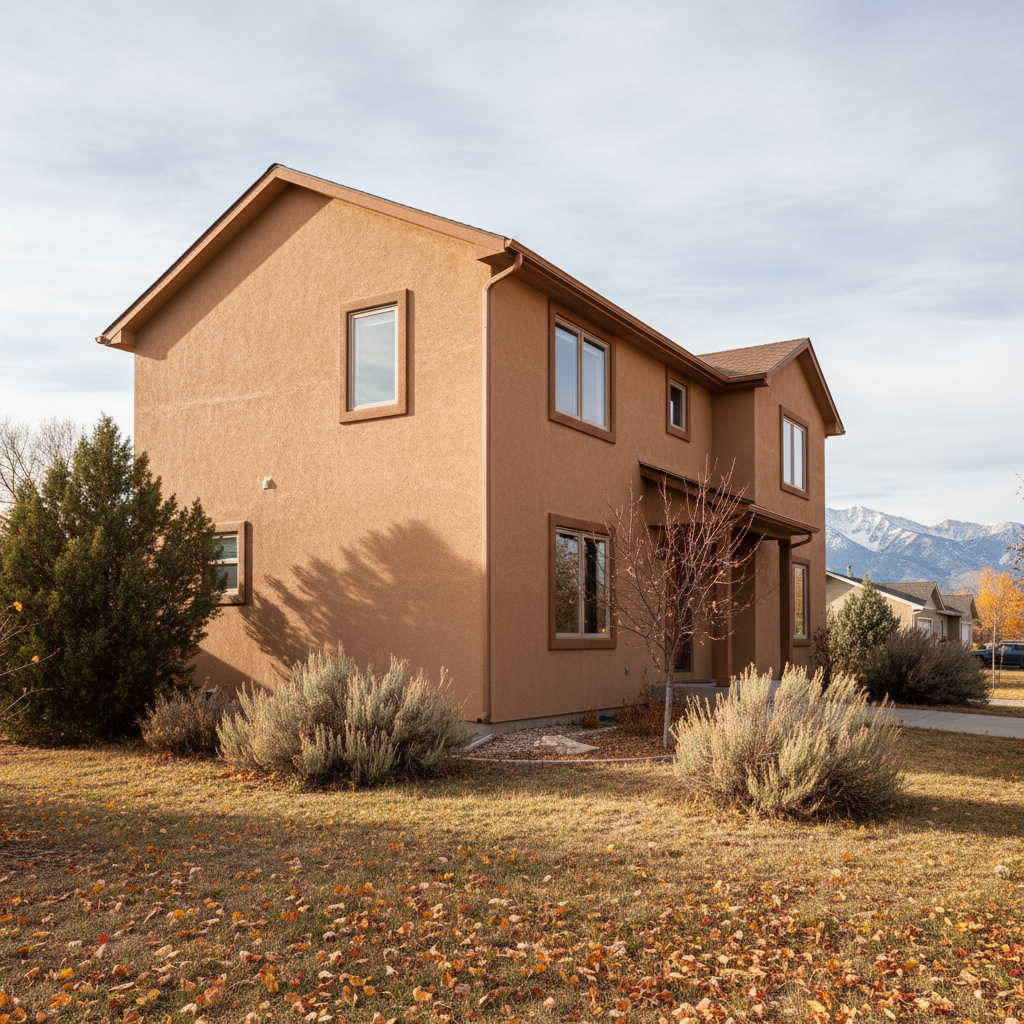
When's the best time to redash your stucco? That's a question I get a lot from homeowners here in Millcreek, and honestly, it's not just about when you're ready. It's really about when the weather's ready. You could have the best materials and the most skilled crew on the planet, but if Mother Nature isn't cooperating, you're just setting yourself up for problems down the road.
Why Stucco Redashing Needs Good Timing
Redashing isn't like slapping on a new coat of paint. You're actually applying a fresh layer of cement-based material, and that stuff needs very specific conditions to cure right. Think of it like baking a cake – you can't just pull it out of the oven early or leave it in too long, right? The temperature and humidity play a huge role in how that stucco sets up, how well it bonds to what's already there, and ultimately, how long it'll last.
If it's too hot, the water in the mix just evaporates too quickly. This often leads to cracking, poor adhesion, and a weak finish. If it's too cold, the curing process slows way down, or even stops completely, which also messes with the strength and durability. And rain? Oh, that's a whole other can of worms. You definitely don't want rain washing away your freshly applied material or introducing too much moisture into the mix.
The Best Millcreek Weather Window
For us here in Millcreek, the sweet spot for stucco redashing is usually spring and fall. We're talking about those months when you get consistent daytime temperatures somewhere between 50 and 85 degrees Fahrenheit. That's the range where stucco can cure at a steady, controlled rate, letting it develop its full strength and resilience.
- Spring (April to early June): This is often prime time. The ground has thawed, the days are getting longer, and we usually get a good stretch of mild, sunny weather. There's less risk of extreme heat or sudden freezes, which is a real bonus.
- Fall (September to late October): Another excellent window. The intense summer heat has passed, and we typically get those crisp, clear days. You just need to keep an eye on overnight lows; once they consistently dip below freezing, you're pushing your luck a bit.
Summer can be tricky. While we certainly get plenty of sun, those scorching July and August days, especially when temperatures hit the high 90s or even triple digits, aren't ideal. We can work around it by starting early in the morning, working in shaded areas, and using special additives to slow down the drying time, but it does add complexity to the job. Winter? Forget about it for exterior redashing. The freezing temperatures simply don't allow the materials to cure correctly, and you're just asking for trouble.
Humidity and Wind: The Unsung Heroes (or Villains)
It's not just temperature, you know. Humidity plays a big part too. Stucco needs moisture to cure. If it's too dry, like some of our really arid days here in Utah, the stucco can dry out too fast. We might need to mist the walls or use curing compounds to make sure it gets enough hydration. On the flip side, extremely high humidity can slow down the drying process too much, which isn't great either.
Wind is another factor. A strong, dry wind can speed up drying, much like high temperatures, often leading to cracking. We'll often put up windbreaks or adjust our schedule on really blustery days. Down by the Millcreek Canyon area, for example, we sometimes get those afternoon canyon breezes that can pick up, so we're always monitoring the forecast closely.
Protecting Your Stucco Investment Year-Round
Once your redashing is done and cured, you'll want to keep it looking good and performing its best. Here's what I tell folks:
- Keep an Eye on Drainage: Make sure your gutters are clean and downspouts are sending water away from your foundation. Ponding water near the base of your stucco is a big no-no.
- Trim Landscaping: Bushes and trees too close to your stucco can trap moisture against the wall, leading to issues. Give your stucco some breathing room, okay?
- Regular Inspections: Just walk around your house a couple of times a year. Look for any hairline cracks, discolored areas, or spots where water might be getting in. Catching small problems early saves you a lot of headache and money down the road.
- Gentle Cleaning: If your stucco gets dirty, a soft brush and a garden hose are usually all you need. Avoid high-pressure washers, as they can damage the surface.
At Sunrise Stucco Inc, we're all about doing the job right the first time. That means not just using quality materials and skilled craftsmen, but also understanding how our local Millcreek climate impacts the work. We'll always advise you on the best time to schedule your redashing project to ensure you get a beautiful, durable finish that truly stands the test of time.
Don't hesitate to give us a call if you're thinking about a stucco project. We're happy to come out, take a look, and give you an honest assessment of what your home needs and when's the best time to do it.