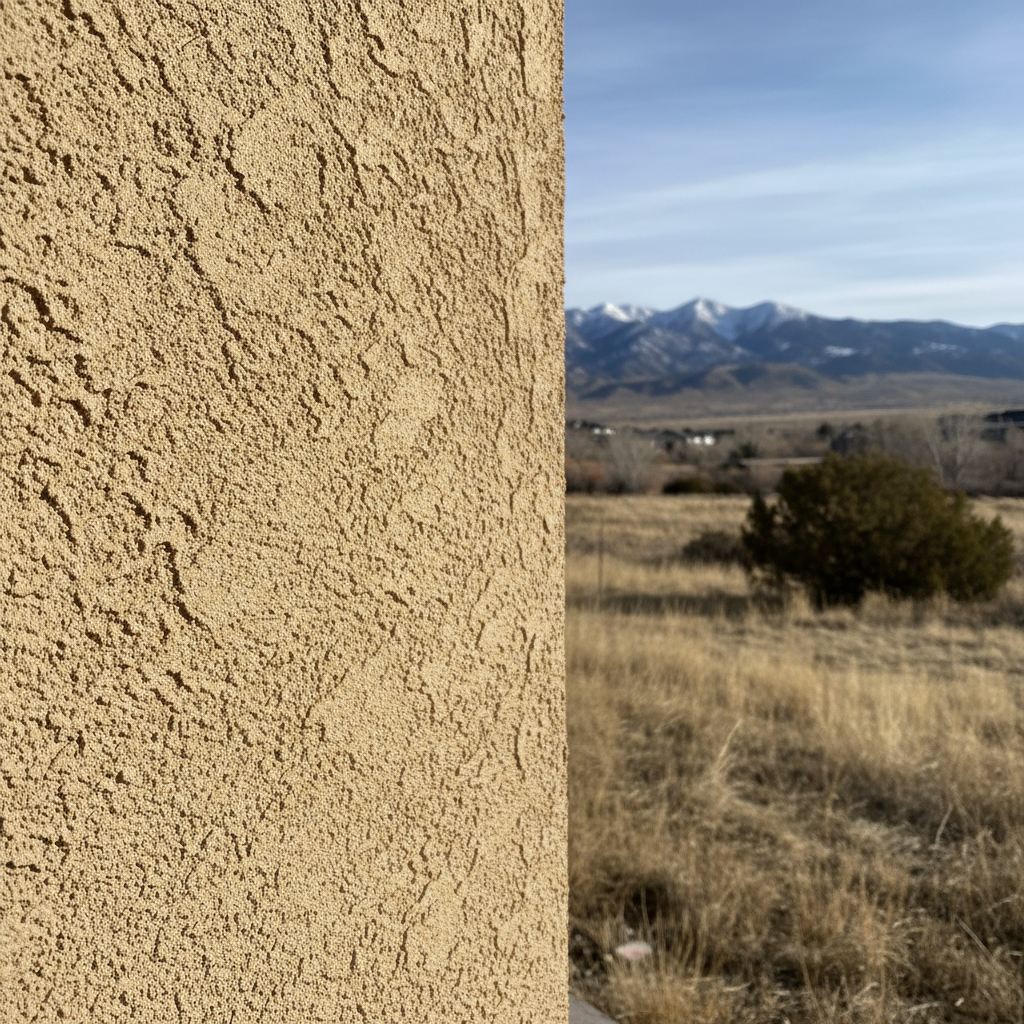
So, you're thinking about stucco for your home, huh? Maybe you're building something new, or you're just looking to re-side. It's a really solid choice for a bunch of reasons, especially here in Millcreek where we truly get to experience all four seasons, sometimes quite intensely. But before you dive in, you really need to understand what you're getting into, what you can realistically tackle yourself, and when it's definitely time to pick up the phone and call someone like us at Sunrise Stucco Inc.
Before the Stucco Project: Planning and Getting Ready
First things first, let's talk about what you need to think about before any stucco even touches your walls. This isn't like painting a room; there's a whole lot more happening behind the scenes to make stucco durable and watertight. The biggest thing you can do on your own at this stage is research and planning.
- Understand the System: Stucco isn't just a top coat, you know? It's a whole system. You've got the substrate (that's your wall material), then a weather-resistive barrier (WRB), lath (the metal mesh), and *then* the scratch, brown, and finish coats. Every single layer has a specific job. If just one fails, the whole thing can go south.
- Moisture Management is Key: This is probably the most important part, especially with our climate. We get heavy snow in the winter, then hot, dry summers. If water gets in, it absolutely has to be able to get out. That means proper flashing around windows, doors, and rooflines. If you're going the DIY route, this is where most homeowners really mess up. You can watch all the YouTube videos you want, but getting the flashing right — especially on older homes with tricky rooflines or additions — that takes real experience.
- Permits: Please, don't skip this one. For any big exterior work, you'll almost certainly need a permit from Millcreek City. They're looking out for your safety and property value, making sure everything meets code. You can usually handle the permit application yourself, but just make sure you know exactly what they require.
- Picking Your Materials: There are different kinds of stucco out there – traditional cement-based, synthetic (EIFS), and even some hybrid systems. Each has its good points and bad points. For most homes around here, a traditional three-coat system is common and super reliable when it's put on correctly. You can certainly research the differences, but a pro can really help you choose the best one for your specific house and budget.
So, what can you DIY here? Research, getting those permits, and maybe even some basic demolition if you're pulling off old siding. But when it comes to designing the moisture management system or picking the exact materials for something that will last, a pro's advice is just priceless.
During the Stucco Application: Hands-On or Hands-Off?
Okay, the planning's done, materials are ordered, and it's time to get a little dirty. This is where the line between DIY and hiring a pro becomes pretty clear.
- Surface Prep: You can definitely help clean the walls, take down old fixtures, and make sure the surface is ready. If you're replacing old siding, you might even be able to remove the old stuff yourself, carefully. Just be aware of what's underneath – sometimes you find surprises, like old water damage or pest issues, that absolutely need fixing before any stucco goes on.
- WRB and Lath Installation: This is where things start to get really tricky. The weather-resistive barrier needs to be installed correctly, overlapping like shingles, and integrated with the flashing. The lath needs to be fastened securely, with proper overlaps and corner details. If you've never done this, it's easy to create pathways for water or weak spots that will definitely show up later. I've seen plenty of homes in the Canyon Rim area where improper lath installation led to cracking down the road, and nobody wants that.
- Mixing and Applying Coats: This is absolutely a job for experienced hands. Mixing stucco correctly is an art – too much water, and it's weak; too little, and it's a nightmare to work with. Applying the scratch, brown, and finish coats takes real skill to get a consistent thickness and a smooth or textured finish. You're working against the clock sometimes, especially on a hot Millcreek day, before the mix starts to set. Uneven application means an ugly finish and can compromise the durability, too.
My advice? Unless you're a seasoned mason or have actually worked with stucco before, don't try to apply the coats yourself. It's physically demanding, requires specialized tools, and the learning curve is incredibly steep. You'll likely end up with something that looks amateurish and probably won't perform well. Just leave the actual application to someone who does it every single day.
After the Stucco Project: Maintenance and Care
So, the stucco is on, it looks fantastic, and your house is totally transformed. Now what? This is one area where you, the homeowner, can definitely take charge and save yourself some money down the line.
- Curing: If you've had new stucco applied, especially traditional cement-based stucco, it needs to cure properly. This often means keeping it damp for a few days, depending on the weather. Your contractor will tell you exactly what's needed. Don't skip this step; it's crucial for the stucco's strength.
- Inspections: Regularly walk around your house and look for cracks, especially around windows, doors, and corners. Small hairline cracks are normal as the house settles and expands/contracts with temperature changes. Larger cracks, or cracks that are getting wider, need attention.
- Cleaning: Stucco is pretty low maintenance, but it can get dirty. A gentle power wash (from a distance, on a low setting) or scrubbing with a soft brush and mild detergent can keep it looking fresh. Don't blast it too hard, or you could damage the finish.
- Repairs: For small, minor cracks or dings, you might be able to do a patch job yourself with a stucco patch kit. Just make sure you match the color and texture as best you can. For anything larger, or if you suspect water intrusion, call a professional. Please don't try to fix major cracks or bubbling stucco yourself; you could make the problem worse or even hide a bigger issue.
Your stucco, if installed right, should last for decades. But like anything, it needs a little love and attention. You can handle the regular cleaning and minor cosmetic fixes. For anything structural, or if you're just unsure, it's always better to get a pro's opinion. We're here to help keep your Millcreek home looking good and staying protected.