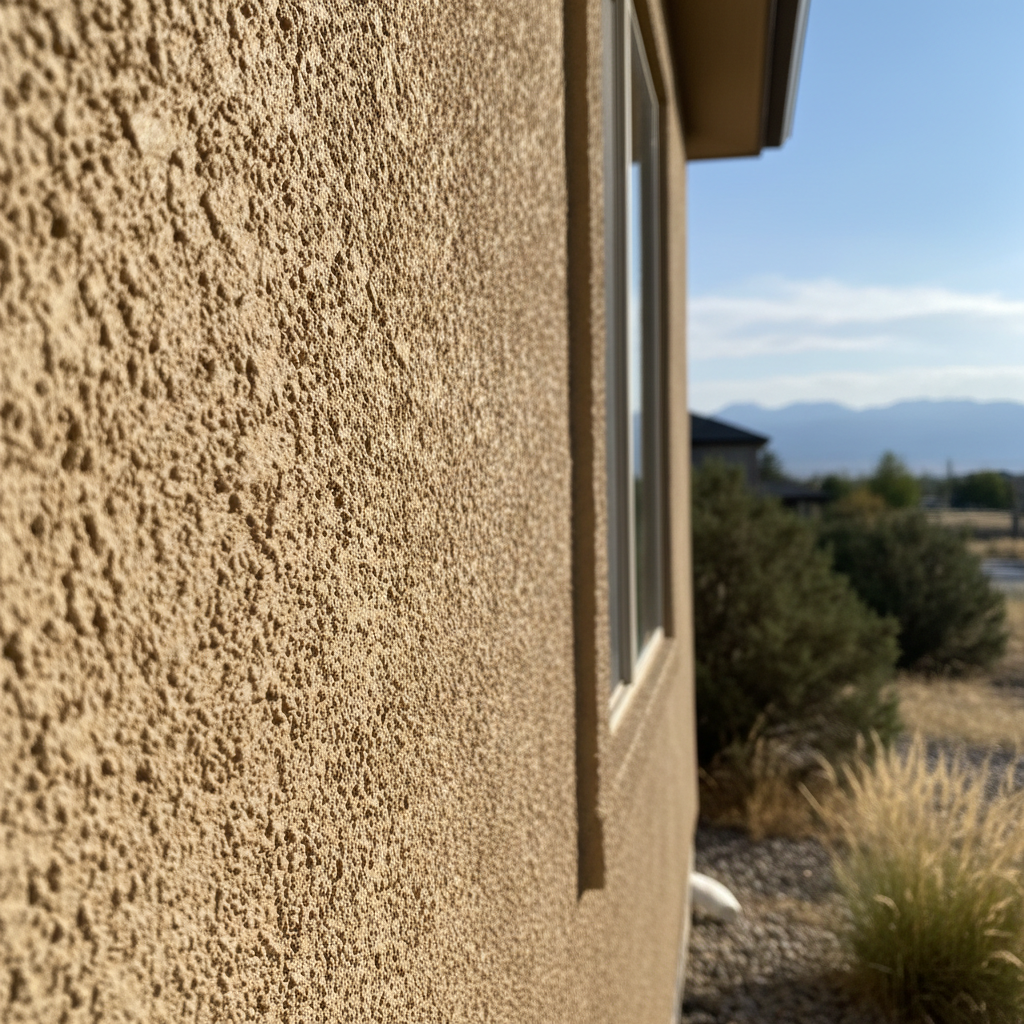
Alright, let's talk about stucco inspections. You've got stucco on your home, and you want to make sure it's doing its job, right? It's not rocket science to do a basic check, but knowing when to bring in someone like me can save you a ton of headaches and money down the road. This isn't about scaring you; it's about being smart and proactive.
Before You Start: Getting Ready for Your Stucco Inspection
First off, you need to know what you're even looking at. Stucco is tough, sure, but it's not invincible. Its main job is to protect your home from water, and that's usually where most problems start. Before you even step outside, grab a notepad, a pen, and maybe your phone camera. You'll definitely want to document anything you find.
Think about how old your stucco is. If it's brand new, you're probably just looking for installation flaws. But if it's 10, 15, even 20 years old, you're looking for wear and tear. Also, consider any recent events – a crazy hailstorm, maybe a new sprinkler system that sprays the wall, or even just a particularly wet winter like we sometimes get here in Millcreek. Especially up near the foothills, homes are exposed to more snow accumulation, and all these things can really impact your stucco.
You'll also want to understand what kind of stucco system you have. Is it traditional three-coat stucco? Or is it EIFS (Exterior Insulation and Finish System)? Knowing this helps you know what to look for. EIFS, for example, needs different inspection points than traditional stucco because of its drainage system (or, in older systems, sometimes a lack thereof).
Your DIY Stucco Inspection Checklist
Okay, time to get outside. Here's what you can realistically check yourself:
- Visual Scan: Walk around your entire house, slowly. Look for cracks. Hairline cracks are usually just cosmetic, but anything wider than a credit card, or cracks that run horizontally or in a spiderweb pattern, could be a sign of real trouble. Pay close attention to areas around windows, doors, and where different materials meet. Those are common weak points, you know?
- Discoloration: See any dark streaks, mold, or mildew? That often means water is getting in and staying there. It might just be surface growth, but it could also point to a deeper moisture problem.
- Bulges or Soft Spots: Gently press on the stucco in various places, especially near the bottom of walls or around openings. Does it feel soft or spongy? Does it bulge out? That's a huge red flag for water damage underneath.
- Weep Screeds and Flashing: The weep screed is that metal strip at the very bottom of your stucco wall, just above the foundation. It's designed to let water drain out. Make sure it's not covered by landscaping, dirt, or paint. Flashing around windows, doors, and rooflines is also critical. It should be intact and directing water away from the wall, not into it.
- Penetrations: Check anything that goes through your stucco – light fixtures, hose bibs, dryer vents, electrical conduits. Are they properly sealed with caulk? Is the caulk cracked or missing? This is a super common entry point for water.
- Gutters and Downspouts: Are they clean and directing water away from your home? Clogged gutters can overflow and dump water directly onto your stucco, which is a recipe for disaster.
Take pictures of anything suspicious. It's good for your records, and if you do call a pro, it gives them a head start.
When to Call a Pro for a Stucco Inspection
Look, you can do a pretty good job with a visual check, but there are limits to what you can see. If you find any of the major red flags I just mentioned – wide cracks, soft spots, significant discoloration, or if you just suspect water intrusion – it's time to call in a professional. This isn't a DIY fix when it comes to structural integrity and water damage.
A professional stucco inspector (or a contractor like me from Sunrise Stucco Inc.) has specialized tools. We've got moisture meters that can detect water behind the stucco without tearing anything open. We know exactly where to look for hidden problems that you might miss. We can also tell the difference between a cosmetic issue and something that's actively damaging your home's structure.
Think of it this way: you can check your car's oil, but you wouldn't diagnose a transmission problem yourself. Stucco is similar. A professional inspection can pinpoint the source of the problem, assess how bad the damage is, and recommend the right course of action. Sometimes it's a simple repair, sometimes it's a bigger project, but knowing early saves you a lot of grief.
After the Inspection: What Happens Next?
Whether you did a DIY check or had a pro out, you'll have a better idea of your stucco's condition. If you found minor issues, like small caulk cracks, you might be able to tackle those yourself with the right materials and know-how. Just make sure you're using exterior-grade, paintable caulk that's designed for stucco.
If a professional inspector found problems, they should give you a detailed report. This report will outline the issues, often with photos, and suggest repairs. Get a few quotes for any recommended work. Make sure the contractors are licensed and insured, and that they specialize in stucco. Don't just go with the cheapest bid; go with the one who clearly understands the problem and has a solid plan to fix it right.
Regular inspections, even just your own visual checks once or twice a year, are the best way to keep your stucco in good shape. Catching problems early is always cheaper and less disruptive than dealing with widespread damage. Your home is a big investment; taking care of its skin is just part of being a smart homeowner.